
Solihull Crypto Robbery Exposes the Human Cost of Wrench Attacks
Masked intruders brutally assaulted a Solihull businessman and threatened his pregnant wife, forcing him to transfer hundreds of thousands of pounds in digital assets during a violent home invasion highlighting the rising threat of physical crypto robberies.
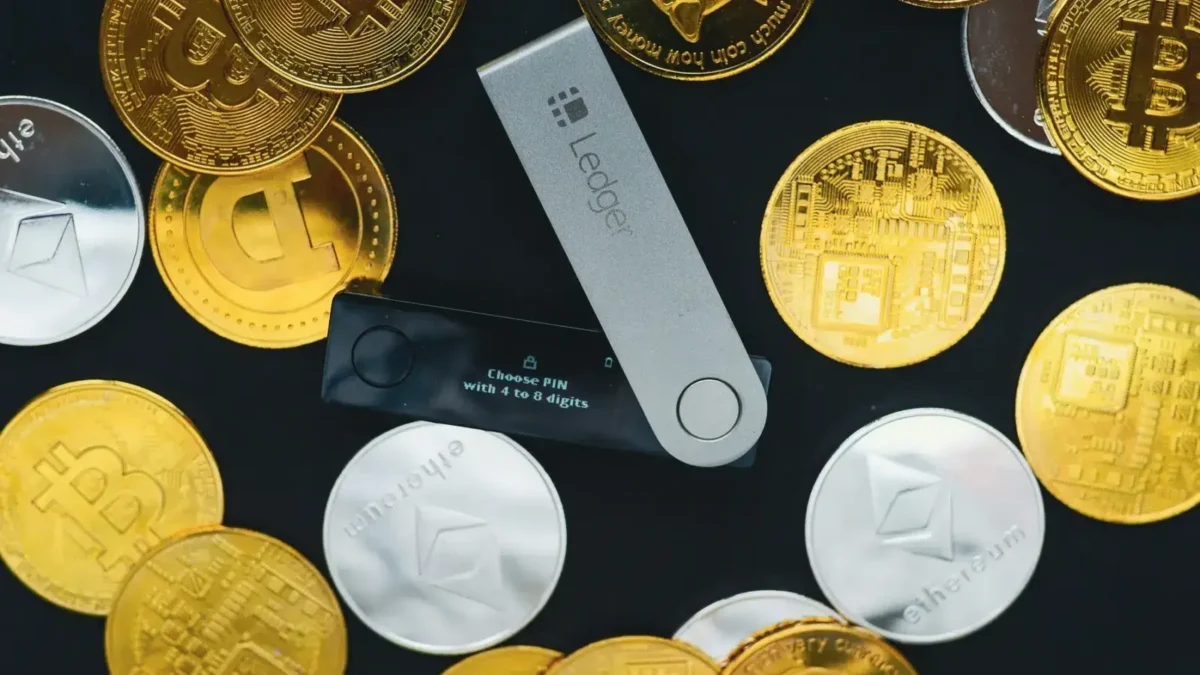
Three masked intruders assaulted a Solihull businessman with hammers and threatened his seven-months-pregnant wife, ultimately compelling him to transfer hundreds of thousands of pounds in digital assets. The victims detailed a brutal crypto robbery that exposes a vulnerability completely separate from standard hacking: criminals targeting the individual who holds the keys to the funds.
This incident is part of a broader, rising apprehension regarding “wrench attacks”—situations where physical violence or threats are deployed to force someone into unlocking a device, disclosing wallet credentials, or approving a transfer. “People need to understand these risks are real,” James shared with the BBC.
NEW: Crypto thieves stole hundreds of thousands of pounds from a UK investor after breaking into his home, beating him with hammers, and threatening his pregnant wife, the BBC reported.
The attackers forced the victim to transfer his crypto before fleeing with several Rolex… pic.twitter.com/jYP4Uyvjpj
— The Block (@TheBlockCo) October 2, 2026
DISCOVER: 9+ Best High-Risk, High-Reward Crypto to Buy in 2026
How The Crypto Robbery Developed: Attackers Stole Crypto From The Solihull Couple
According to James, three individuals forced entry into his residence and beat him for approximately 45 minutes, striking his ribs, face, and head with hammers. While his wife was restrained on a sofa and threatened, their baby subsequently survived and was delivered at full term.
The perpetrators demanded James’s phone and appeared to take directions from an accomplice via a live video call. Once that caller spotted a wallet housing significant funds, James faced threats of severe harm directed at his wife and unborn child unless he executed the cryptocurrency transfer. The assailants escaped with the funds and multiple high-end Rolex watches.
James recounted: “He was basically saying: ‘Look, if you don’t send us this money now, we’re going to stab your wife in the stomach and kill your baby. We’re going to kill your wife.’” Law enforcement has yet to identify the culprits, and James expressed minimal optimism regarding asset recovery. This event compounds a series of documented crypto heists involving targeted individuals.
EXCLUSIVE: Unlock High leverage Options of Up to 100x On Margex
What Wrench Attacks Mean for Crypto Security
While the vast majority of cryptocurrency theft occurs digitally via hacks and scams, wrench attacks confront holders in the physical world. Self-custody crypto is managed directly by the owner utilizing a digital wallet or physical hardware device. While such control minimizes reliance on third-party intermediaries, it cannot shield a holder from being coerced into relinquishing a phone or authorizing a transaction.
Researchers at Chainalysis cautioned:
The physical security assumptions that protect traditional wealth, such as bank vaults and armored cars, do not automatically apply in crypto.
Reversing or recovering funds once a transfer is executed is exceptionally challenging. Another instance of physical violence directed at digital asset owners involved an employee in France, as highlighted in accounts of a French wrench attack.
Different Datasets Point to a Growing Threat

Data from Chainalysis referenced by the BBC documented $30 million (£22.6 million) lost to violent robberies through June 2026. The findings indicate that 2026 is on track to become the worst year on record for violent cryptocurrency attacks, driven by an uptick in home invasions. Hotspots identified include the United States, Brazil, and Thailand, whereas France recorded the highest frequency of attacks within their dataset.
In a separate metric, CertiK cataloged 52 verified wrench-attack incidents globally during the first half of 2026, representing an estimated $124.1 million in recorded exposure. CertiK notes that its figures encompass verified public occurrences—including demands, transfers, and other documented exposure—and do not represent an exhaustive census of all crimes. Because the two analytics providers rely on distinct datasets and measurement criteria, their figures should not be aggregated.
For asset holders, the critical takeaway is that physical robbery can bypass software-based defenses by placing immense pressure directly on individuals and their families. Risk mitigation strategies may involve restricting public exposure of holdings, segmenting funds across different locations, and implementing multisignature configurations. However, no architectural setup can guarantee immunity from violence, meaning personal safety must always take precedence.
Certain holders also evaluate alternative Bitcoin custody solutions when determining how best to administer large portfolios.
DISCOVER: Best Meme Coin ICOs to Invest in 2026
Follow 99Bitcoins on X For the Latest Market Updates and Subscribe on YouTube For Daily Expert Market Analysis.
Frequently Asked Questions
4 questions01What is a wrench attack?
A wrench attack refers to a physical assault, threat, or coercion directed at a cryptocurrency owner to force them to unlock their digital wallet, reveal access details, or authorize a asset transfer.
02How much money has been lost to violent crypto robberies in 2026?
Chainalysis data cited by the BBC recorded $30 million (£22.6 million) stolen in violent robberies through June 2026, while CertiK recorded $124.1 million in recorded exposure across 52 verified incidents in the first half of the year.
03Which countries are considered hotspots for physical crypto attacks?
Research has identified the United States, Brazil, and Thailand as hotspots for violent crypto incidents, with France recording the highest number of attacks in Chainalysis’s specific dataset.
04Can self-custody protect against wrench attacks?
No. While self-custody puts the owner in direct control of their assets and removes intermediary risks, it cannot protect an owner from being physically coerced into handing over access devices or authorizing transfers.
Related stories
A Decade-Old Ripple XRP Ledger Flaw Was Patched Before Disclosure
An XRP Ledger vulnerability could have created extra spendable XRP, but Ripple says it was patched before disclosure…

AI Crypto Tokens Take South Korea by Storm, Overtaking Ripple XRP
Artificial intelligence cryptocurrencies have surged to become South Korea's top crypto sector by June 2026, overtaking payment assets…
Ethereum News: Glamsterdam Test Leaves Validator Strain Unresolved
Ethereum's Glamsterdam upgrade has elevated Sepolia's block-gas limit to nearly 200 million, though questions remain regarding validator strain…

Bitcoin Privacy Faces New Questions Over HMRC Crypto Powers
HM Revenue and Customs is considering expanded information-gathering powers over UK crypto businesses, sparking privacy concerns because linking…