
Oil and Treasury Yields Put the BTC USD Recovery Narrative to Test
BTC USD dropped to $82,700 as escalating Middle East tensions, climbing oil prices, and surging Treasury yields reduced investor appetite for risk assets, testing the cryptocurrency's recent recovery narrative.
On Thursday, October 8, BTC USD dropped -1.5% to $82,700 by 02:13 ET (06:13 GMT), having earlier dipped to $82,300.50—marking its lowest price point in nearly three weeks.
This downward movement occurred as escalating Middle East tensions, climbing oil prices, and surging Treasury yields reduced investor appetite for risk assets. The trend highlights that broader recovery narratives do not shield cryptocurrencies from macroeconomic shocks.
Bitcoin’s recent retreat challenges the idea of complete insulation without disproving it entirely: long-term adoption growth can indeed exist alongside a market that remains highly vulnerable to interest rates and inflation concerns. Consequently, the latest recovery narrative from the crypto-winter sits right alongside a stark short-term warning delivered by actual price action.
At the heart of this tension lies a dichotomy: while long-term developments may benefit the sector, immediate macroeconomic pressures continue to dictate the near-term trajectory of Bitcoin and other digital tokens.
BTC USD Decline Comes Amid Saylor’s Strategy Resuming Its Buys
Bitcoin extended its recent losses following an extended rally throughout the September quarter. This pullback materialized despite continuous purchases by Strategy Inc., a prominent corporate holder of Bitcoin.
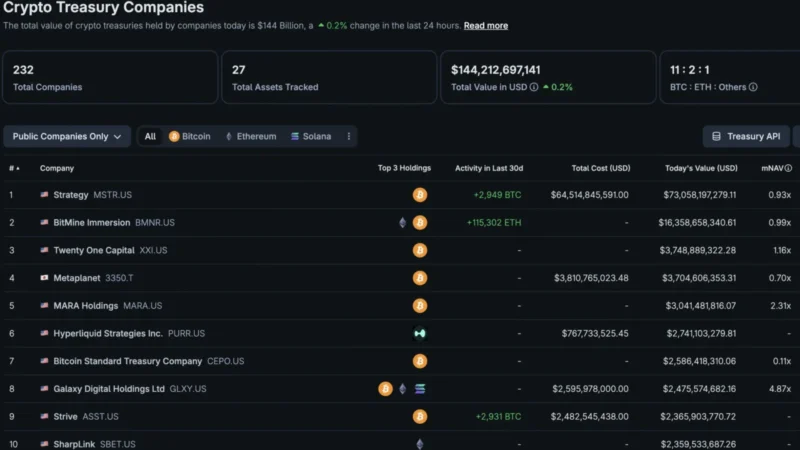
Led by Michael Saylor, Strategy currently holds 847,999 BTC USD, valued at just over $70 billion, making it the premier corporate Bitcoin holder globally.
More orange than ever. pic.twitter.com/on52TtcFO1
— Michael Saylor (@saylor) October 4, 2026
Ultimately, these corporate purchases failed to prevent the digital asset from dropping over the course of the week, demonstrating how individual company demand can be easily overshadowed by shifts in broader market risk appetite.
The losses came on the heels of a prolonged September quarter rally, which left the market prone to profit-taking. Generally, profit-taking occurs when traders cash out a portion of their holdings to secure accumulated profits. This behavior can amplify downward pressure when prices are already sliding, even in the absence of asset-specific negative news.
DISCOVER: 9+ Best High-Risk, High-Reward Crypto to Buy in 2026
Oil, Geopolitical Risk, and Yields are Driving the Pressure
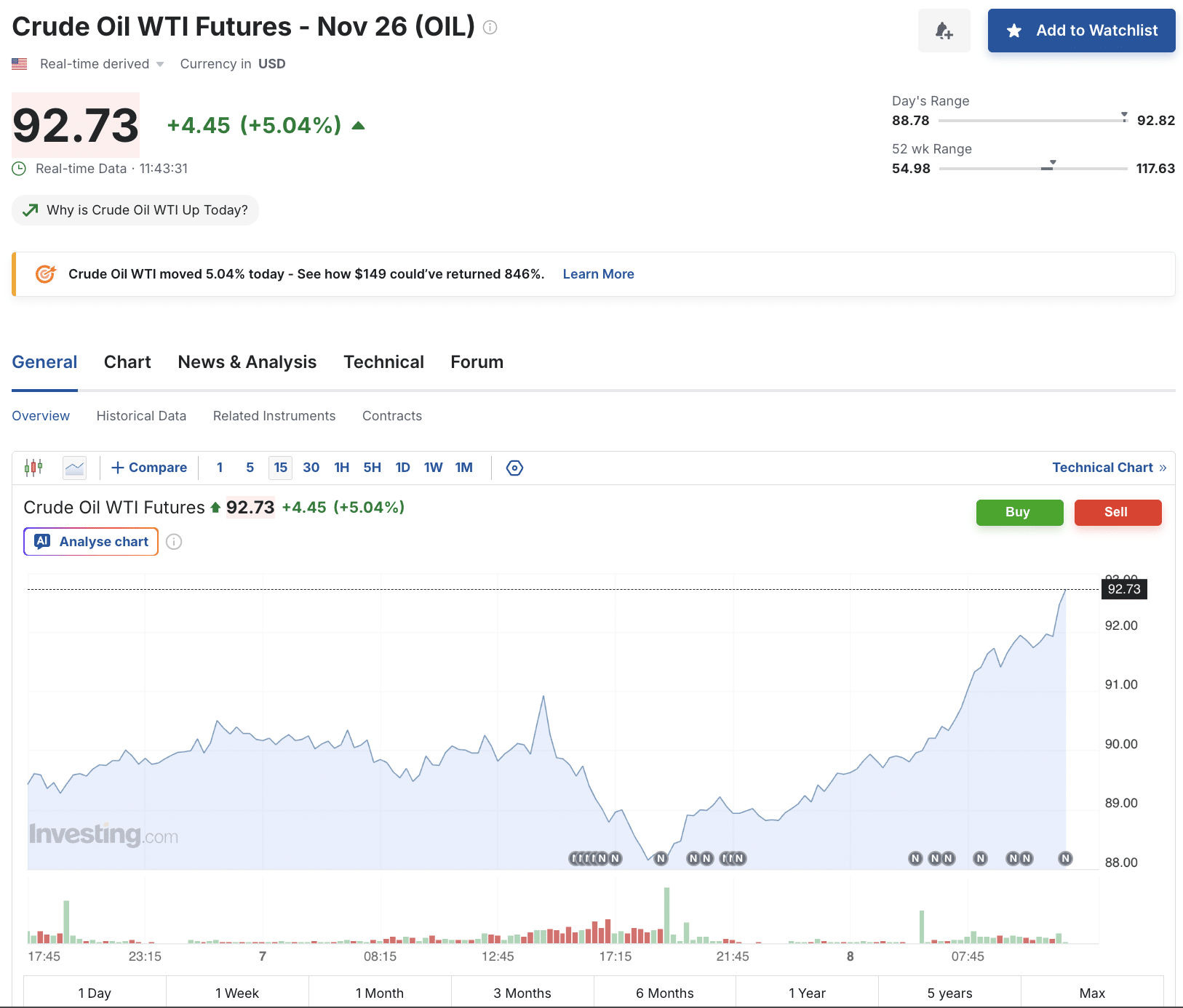
(SOURCE: Investing.com)
The prevailing macroeconomic environment directly connects energy costs to inflation metrics and, consequently, elevated bond yields. Crude oil prices spiked following reports regarding potential US military action against Iran, alongside a surge in Iranian attacks on commercial shipping that drove traffic through the Strait of Hormuz down to a two-month low.
Such disruptions within this vital shipping lane threaten erratic energy supplies and higher crude prices, which can inflate production and shipping expenses while fueling persistent inflation risks.
This dynamic complicates central bank efforts regarding interest-rate cuts. Minutes released from the Federal Reserve’s September gathering highlighted a hawkish posture in response to escalating inflation, pushing the US 10-year Treasury yield to a 24-year peak of 5.333%. Higher yields diminish the appeal of non-yielding speculative instruments like Bitcoin, rendering them less attractive as traditional fixed-income returns grow.
Although not every single price movement in Bitcoin ties directly back to Treasury yields, the interplay among energy prices, Federal Reserve policy, and cryptocurrency volatility underscores a clear macroeconomic channel where surging energy expenses influence inflation expectations and diminish the allure of risk assets.
This wider market pressure also impacted global equities, with worldwide stock markets falling as Brent crude climbed past $102 a barrel and Treasuries dropped, feeding directly into Bitcoin’s depreciation.
DISCOVER: 15+ Upcoming Coinbase Listings to Watch in 2026
Follow 99Bitcoins on X For the Latest Market Updates and Subscribe on YouTube For Daily Expert Market Analysis.
Frequently Asked Questions
4 questions01What caused the recent drop in BTC USD?
BTC USD fell due to a combination of rising oil prices, heightened Middle East tensions, surging Treasury yields, and profit-taking following a strong rally through the September quarter.
02How much Bitcoin does Michael Saylor’s Strategy hold?
Strategy Inc. holds 847,999 BTC USD, valued at just over $70 billion, establishing the firm as the largest corporate holder of Bitcoin globally.
03What level did the US 10-year Treasury yield reach?
The US 10-year Treasury yield hit a 24-year high of 5.333% following a hawkish stance from the Federal Reserve in response to rising inflation.
04How do high Treasury yields affect Bitcoin?
Higher Treasury yields increase the returns on traditional fixed-income debt, which reduces the attractiveness of non-yielding speculative assets like Bitcoin.
Related stories
Jeonbuk’s BTC USD Loan Terms Remain Unclear as Banks Test Collateral
Jeonbuk Bank has reportedly become the first South Korean financial institution to offer corporate loans using Bitcoin as…
BTC USD Outlook: Thailand Opens Bitcoin ETF Route on Oct 16
Thailand's SEC establishes a legal framework for local Bitcoin and Ether ETFs, with regulations taking effect on October…
BTC USD Price Stalls as Fresh Saylor Buy Fails to Clear $87K
Bitcoin prices stalled near $85,800 after failing to break the $87,000 resistance level, despite ongoing corporate Bitcoin accumulation…
Horrific Crypto Robbery in the UK as Thieves Threaten to Kill Pregnant Wife’s Baby
A British businessman and his heavily pregnant wife were subjected to a violent hammer attack and death threats…