
BTC News: Bitcoin Versus Global Rate-Hike Wall This Week
Bitcoin attempts a recovery above $60,000 following a sharp sell-off, while global central banks and looming US PCE inflation data threaten to tighten macroeconomic liquidity further this week.

Bitcoin is attempting a recovery following a sharp sell-off, though the macroeconomic calendar threatens to complicate matters further. Current developments for BTC center on central banks, interest rates, and inflation as policymakers prepare to tighten global liquidity once again. A primary focus this week will be the US PCE report on Wednesday, arriving as December rate-hike expectations sit above 90%.
However, the risks extend well past Washington. Markets across Asia have experienced steep losses, South Korea is poised for another interest rate decision, and Japan moves closer to a potential policy rate hike.
While Bitcoin has previously weathered difficult macroeconomic backdrops, investors continue to question whether massive valuations in the artificial intelligence sector remain justified amid tightening financial conditions.
BTC News: Inflation Could Give the Fed Another Reason to Tighten
The personal consumption expenditures report on Wednesday could shape how markets conclude the shortened Thanksgiving trading week. As the Federal Reserve’s preferred gauge of inflation, the PCE index will be closely watched by investors seeking signs that price pressures are easing.
Financial markets currently lean heavily toward a 25-basis-point rate hike in December. A higher-than-expected inflation reading could validate those forecasts, driving the US dollar and Treasury yields upward while placing downward pressure on assets that rely on loose liquidity.
Initially, Bitcoin might absorb the impact. Yet the market has already factored in a significant repricing of monetary policy alongside a major equities sell-off. Furthermore, traders have dropped expectations for a larger 50-basis-point move in December, removing a severe threat from consideration.
This dynamic creates a compelling market setup. Should inflation print lower than anticipated, the dollar could lose steam, yields might pull back, and struggling risk assets could find relief, positioning Bitcoin as a primary beneficiary of any renewed risk-on sentiment.
Ahead of Friday, the Bank of Korea anticipates an interest rate increase, while Tokyo inflation data arrives on the same day, potentially heightening expectations that the Bank of Japan may raise rates in December. What once looked like a gradual tightening cycle is rapidly developing into a global phenomenon.
DISCOVER: 15+ Best Crypto IPO to Watch in 2026
Can Bitcoin Turn Macro Fear Into a Rally?
Global financial markets have already sustained substantial damage. Taiwan’s stock market tumbled 17.5% over the course of a week, and the Nasdaq logged a double-digit decline. Investors have reassessed AI valuations, unloaded technology shares, and pulled back from previously favored trades.
While this environment presents challenges for Bitcoin, market fatigue may be setting in. When market participants are already aggressively reducing exposure, an additional wave of negative news does not automatically trigger more liquidation.
Bitcoin’s bounce back above $60,000 after dipping below $55,500 demonstrates that buyers remain active. Although this recovery does not guarantee a market bottom, it offers bulls a foothold as key weekly catalysts approach.
JUST IN: Bitcoin $BTC has ripped back above $60,000, after crashing to $55,181 this morning.
That's a 9% bounce from today's low. pic.twitter.com/6F9fftJvbI
— Coin Bureau (@coinbureau) November 21, 2026
A softer PCE release could serve as the necessary catalyst. Lower inflation prints might prompt markets to scale back aggressive tightening bets, boosting equities, weakening the dollar, and drawing sidelined capital back into the cryptocurrency ecosystem.
Conversely, the alternative scenario remains perilous. Persistent inflation could strengthen arguments for further monetary tightening, sustain the risk-off climate, and push Bitcoin to retest recent lows.
At present, Bitcoin’s price trajectory depends less on whether the Federal Reserve implements a hike and more on how extensively the market has already priced in negative developments. Bitcoin has weathered pressure from tightening expectations, panic in technology stocks, and widespread investor capitulation.
DISCOVER: 15+ Upcoming Coinbase Listings to Watch in 2026
Follow 99Bitcoins on X For the Latest Market Updates, and Subscribe on YouTube For Daily Expert Market Analysis.
Frequently Asked Questions
4 questions01Why is the US PCE report important for Bitcoin this week?
The Personal Consumption Expenditures (PCE) report serves as the Federal Reserve’s preferred inflation gauge. A softer inflation reading could weaken the dollar and lower yields, sparking a risk-on rally that benefits Bitcoin, whereas hotter inflation could reinforce expectations for a December rate hike and pressure crypto prices.
02What are the current expectations for a December Federal Reserve rate hike?
Bets for a 25-basis-point interest rate hike in December are currently hovering above 90%, while expectations for a larger 50-basis-point increase have been abandoned by the market.
03How has Bitcoin recently reacted to macroeconomic pressures?
Despite a brutal sell-off that briefly dragged prices below $55,500, Bitcoin staged a 9% bounce to climb back above $60,000, demonstrating that buyers are still active despite ongoing tightening fears and equities sell-offs.
04Are other central banks implementing rate hikes alongside the US?
Yes, tightening has become a global trend. The Bank of Korea is anticipating a rate increase this week, and upcoming Tokyo inflation data may fuel expectations that the Bank of Japan will hike rates in December.
Related stories

Bitcoin ETF Sellers Show No Mercy: BlackRock Leads $582M Bitcoin ETF Exodus as BTC Hits New Lows
US spot Bitcoin ETFs suffered a net loss of $582 million as BTC dropped below $62,000, led by…
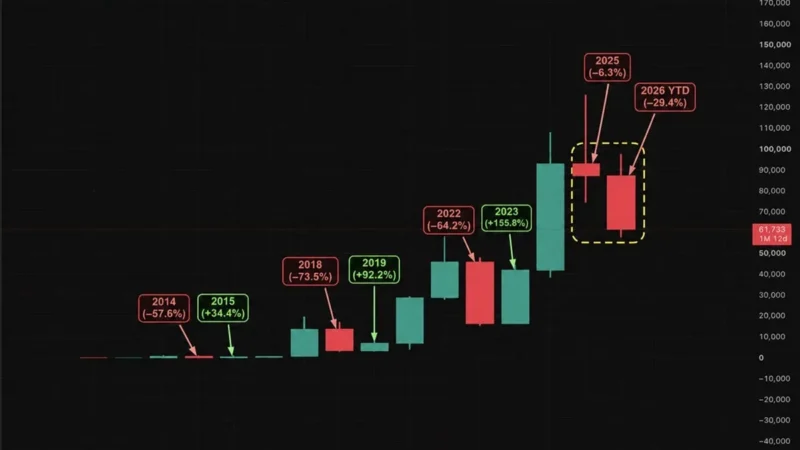
Bitcoin Price Has Never Had Two Red Years in a Row: 4-Year Cycle Broken?
Bitcoin price is heading toward an unprecedented moment in its trading history. Bitcoin has fallen 30% in 2026,…
Perplexity AI Predicts Insane Bitcoin Price Target for 2027
What if Bitcoin’s next major rally isn’t just another cryptocurrency bull run, but the start of a fundamental…

Bitcoin Nears $62,862 Mining Cost: Will BTC Price Hold Above This Level or Break Below It?
Bitcoin is nearing its $62,862 average mining cost, raising questions about whether the cryptocurrency can hold above this…