
Bitcoin FOMC Hopes Hang in the Balance as Oil Surges and Ukraine Seeks Peace
Bitcoin climbed toward $81,000 as markets braced for the latest FOMC interest rate decision. Digital assets contend with surging oil prices exceeding $115 per barrel and upcoming US-backed peace talks between Russia and Ukraine.
Bitcoin climbed back toward $81,000 as markets braced for the latest interest rate decision from the FOMC. BTC experienced a rebound of nearly 2%, though ongoing inflation worries and uncertainty regarding future rate adjustments continue to cloud its trajectory.
Digital assets are now contending with two macroeconomic drivers. Oil prices surged past $115 per barrel following fresh supply anxieties in the Middle East, while Russia and Ukraine advanced toward a fresh set of US-backed peace talks. Both variables have the potential to shape inflation forecasts and Federal Reserve policy.
Tomorrow at 2:30 p.m. ET: Chairman Warsh hosts live #FOMC press conference: https://t.co/fXt6ew9fZ8 pic.twitter.com/sM7Sn7pCa5
— Federal Reserve (@federalreserve) October 27, 2026
Financial markets widely anticipate that the central bank will keep interest rates steady. Nevertheless, elevated energy costs could cause policymakers to adopt a more cautious stance regarding future rate cuts, even if the October announcement brings no surprises.
Bitcoin FOMO Outlook Faces Fresh Pressure From Rising Oil Prices
Crude values advanced after Yemen’s Iran-backed Houthi movement claimed responsibility for a missile strike targeting the biggest oil refinery in Saudi Arabia. Brent crude increased roughly 1.4% to $115 a barrel, and US West Texas Intermediate hit $101.
Video of missile strikes by the Yemeni army, led by "Ansar Allah," on oil facilities in the city of Najran, Saudi Arabia.
It has become known that Saudi Arabia, through Iranian mediation, pleaded with the Yemeni movement "Ansar Allah" to refrain from launching attacks from… pic.twitter.com/gkqKXcm3VD
— Sprinter Press (@Sprinter_Press) October 27, 2026
This upward shift followed renewed fears concerning regional supply disruptions across the Middle East. Higher energy expenses threaten to complicate the Fed’s efforts to curb inflation by driving up manufacturing, transport, and consumer fuel costs.
Such conditions present a potential headwind for Bitcoin. If expensive crude sustains high inflation, central bankers may find themselves with limited room to ease monetary conditions. Maintaining higher interest rates for an extended period could bolster Treasury yields and the US dollar, which in turn diminishes demand for risk-on assets.
Conversely, a sustained drop in crude prices could alleviate inflation pressures and bolster optimism for future monetary easing. Bitcoin might capitalize on lower energy expenditures if the broader market begins anticipating a less restrictive policy landscape.
At present, analysts must balance the threat of persistent inflation against the possibility that a slowing economy ultimately compels the Fed to alter its approach.
DISCOVER: 15+ Best Crypto IPO to Watch in 2026
Russia-Ukraine Peace Talks Could Change the Energy Outlook
Diplomatic discussions between Russia and Ukraine introduce another unpredictable element to financial markets. Both sides agreed to a localized ceasefire centered on the Ukrainian town of Oleshky, intended to facilitate civilian evacuations and the distribution of humanitarian aid.
Ukrainian President Volodymyr Zelenskyy also noted that technical-level talks involving Ukraine, Russia, and the United States could occur during the first half of November. These conversations mark another attempt to secure a resolution following earlier diplomatic failures to bridge key gaps.
THE CEASEFIRE HAS COMMENCED
The ceasefire between Ukraine and Russia took effect at 4:00am Moscow time on October 27, 2026.
Timing was accelerated two days ahead of schedule to protect the safety of civilians and to facilitate the delivery of critical humanitarian aid. The…— MELANIA TRUMP (@MELANIATRUMP) October 27, 2026
A viable peace settlement could eventually reshape expectations within the energy sector, particularly if it modifies sanctions, trade routes, or the risk premium associated with Russian petroleum. A reduction in geopolitical risk could help take the heat off crude prices.
Even so, Russia and Ukraine remain at odds regarding territorial demands and security commitments, and military operations have persisted despite renewed diplomatic outreach.
For participants in the cryptocurrency ecosystem, the consequences hinge on how these dynamics influence oil valuations, inflation outlooks, and global liquidity. While a lasting decrease in geopolitical friction could improve risk sentiment, a formal peace accord would not guarantee an immediate rally for digital assets.
Bitcoin Price Tests $82K as Traders Await the FOMC
Bitcoin’s immediate technical hurdle rests around the $82,000 resistance threshold. Although BTC has climbed back above the $80,000 mark, buyers still need to orchestrate a definitive break above resistance to solidify a short-term bullish trend.
A confirmed breakout past $82,000 could clear a path toward $84,000. On the other hand, another rejection could leave BTC exposed to a retest of $80,000 support, especially if the Federal Reserve delivers guidance that leans more hawkish than investors expect.
The October FOMC gathering represents only one element of the broader Bitcoin equation. Energy markets, ongoing Russia-Ukraine negotiations, Treasury yields, and the performance of the US dollar will ultimately determine whether this market recovery can persist.
Historical precedent also indicates that Bitcoin does not adhere to a uniform pattern following central bank rate announcements. Markets typically price in anticipated policy adjustments ahead of time, leaving unexpected policy signals and shifting macroeconomic forces to dictate the subsequent price action.
DISCOVER: 15+ Upcoming Coinbase Listings to Watch in 2026
Follow 99Bitcoins on X For the Latest Market Updates, and Subscribe on YouTube For Daily Expert Market Analysis.
Frequently Asked Questions
4 questions01Why did Bitcoin price recover toward $81,000?
Bitcoin recovered as markets prepared for the FOMC’s latest interest rate decision, bouncing nearly 2% despite persistent inflation concerns and uncertainty regarding future rate hikes.
02How are oil prices affecting the Federal Reserve and Bitcoin?
Oil prices surged above $115 per barrel following Middle East supply concerns. Higher energy costs increase inflation risks, which could cause the Federal Reserve to keep interest rates higher for longer. This creates a headwind for speculative assets like Bitcoin by strengthening the US dollar and Treasury yields.
03Could the Russia-Ukraine peace talks impact crypto markets?
Yes. Diplomatic developments, including a local ceasefire and planned technical-level negotiations, could alter energy-market expectations and ease pressure on crude prices if geopolitical risk decreases. This could indirectly influence inflation expectations, global liquidity, and crypto risk appetite.
04What is Bitcoin’s next key technical level to watch?
Bitcoin’s immediate resistance stands around $82,000. A confirmed breakout could push prices toward $84,000, while a rejection risks a pullback to $80,000, particularly if the Fed issues a hawkish statement.
Related stories
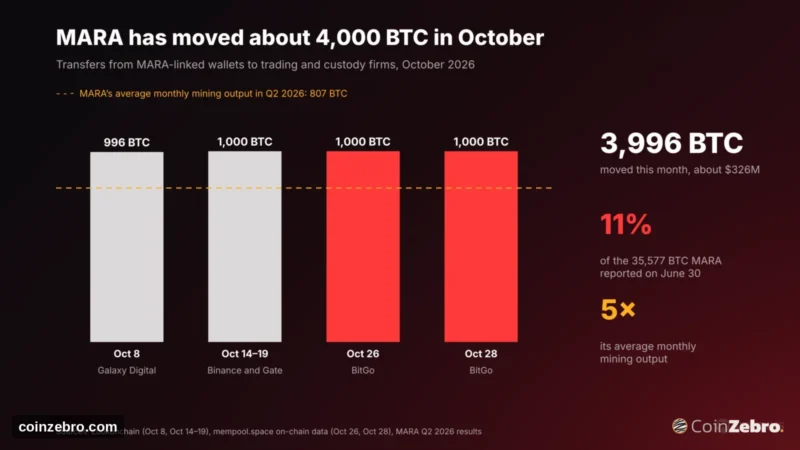
MARA Sends Another 1,000 BTC to BitGo, Its Fourth Big Transfer in October: Can BTC USD Absorb It?
Bitcoin miner MARA Holdings transferred another 1,000 BTC to custodian BitGo, marking its fourth major transfer in October…
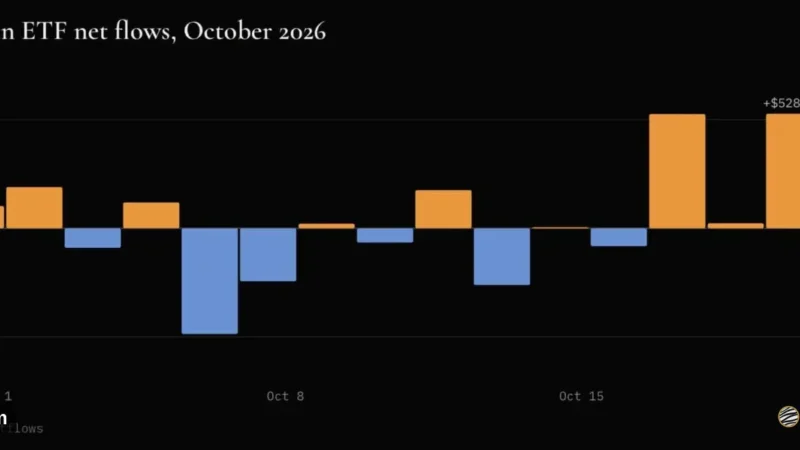
Bitcoin ETFs Own Just 8.5% of BTC as IBIT Ends a Two-Day Outflow Run: Can BTC USD Hold $79,200?
Bitcoin ETFs command just 8.5% of tradable BTC as BlackRock's IBIT ends a multi-day outflow run with a…

Retail Bitcoin Holders Are Sending Coins to Binance at a Six-Month High While Whales Pull Back: Who Is Right About $80,000?
Retail Bitcoin holders are sending coins to Binance at a six-month high, while whale deposits decline, as the…

Retail Traders Have Left Bitcoin Futures: Can BTC USD Sweep $80,000 and Bounce?
Bitcoin hovers near $81,700 as retail traders exit futures markets. With U.S. spot Bitcoin ETFs drawing $1 billion…